
Early birds at the Molenplas
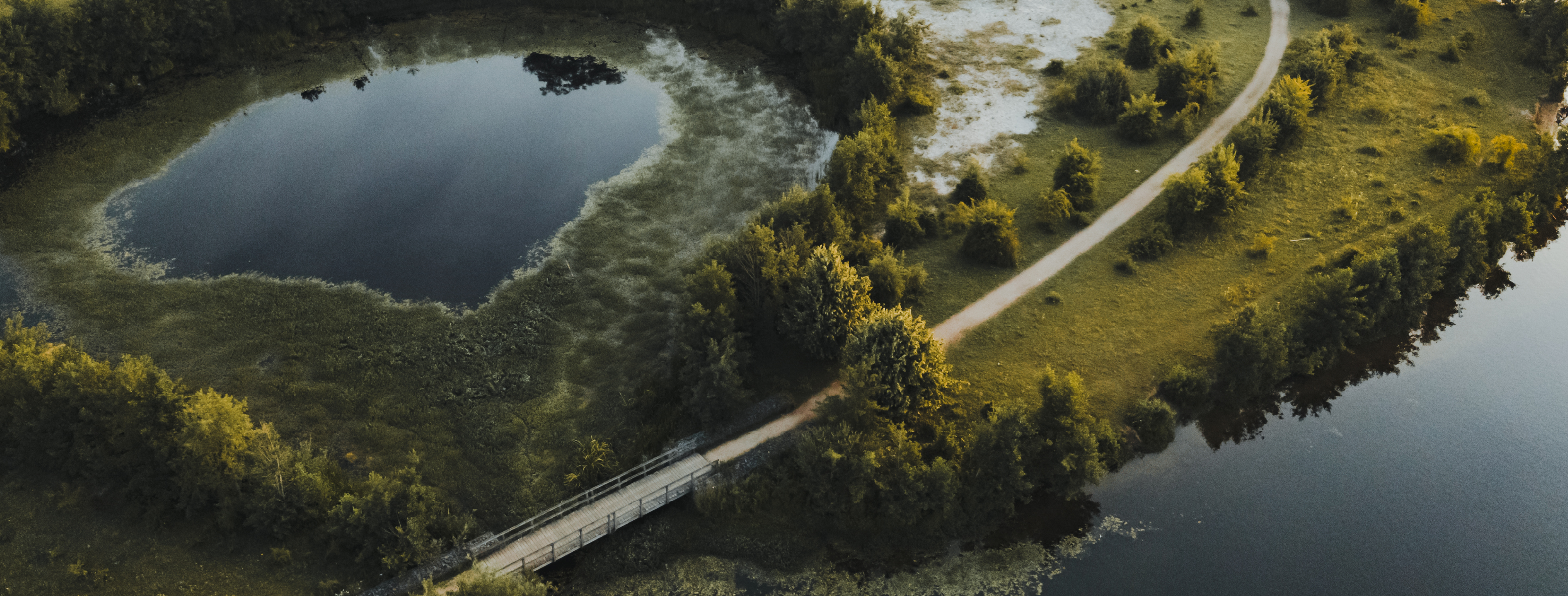
The first rays of sunlight break through the clouds. The world is still quiet, while it is already lively around the Molenplas. Dozens of geese, swans and many other bird species break the morning silence. It is half past five in the morning and I stand at the start of my walk around the Molenplas in Stevensweert.
Early birds
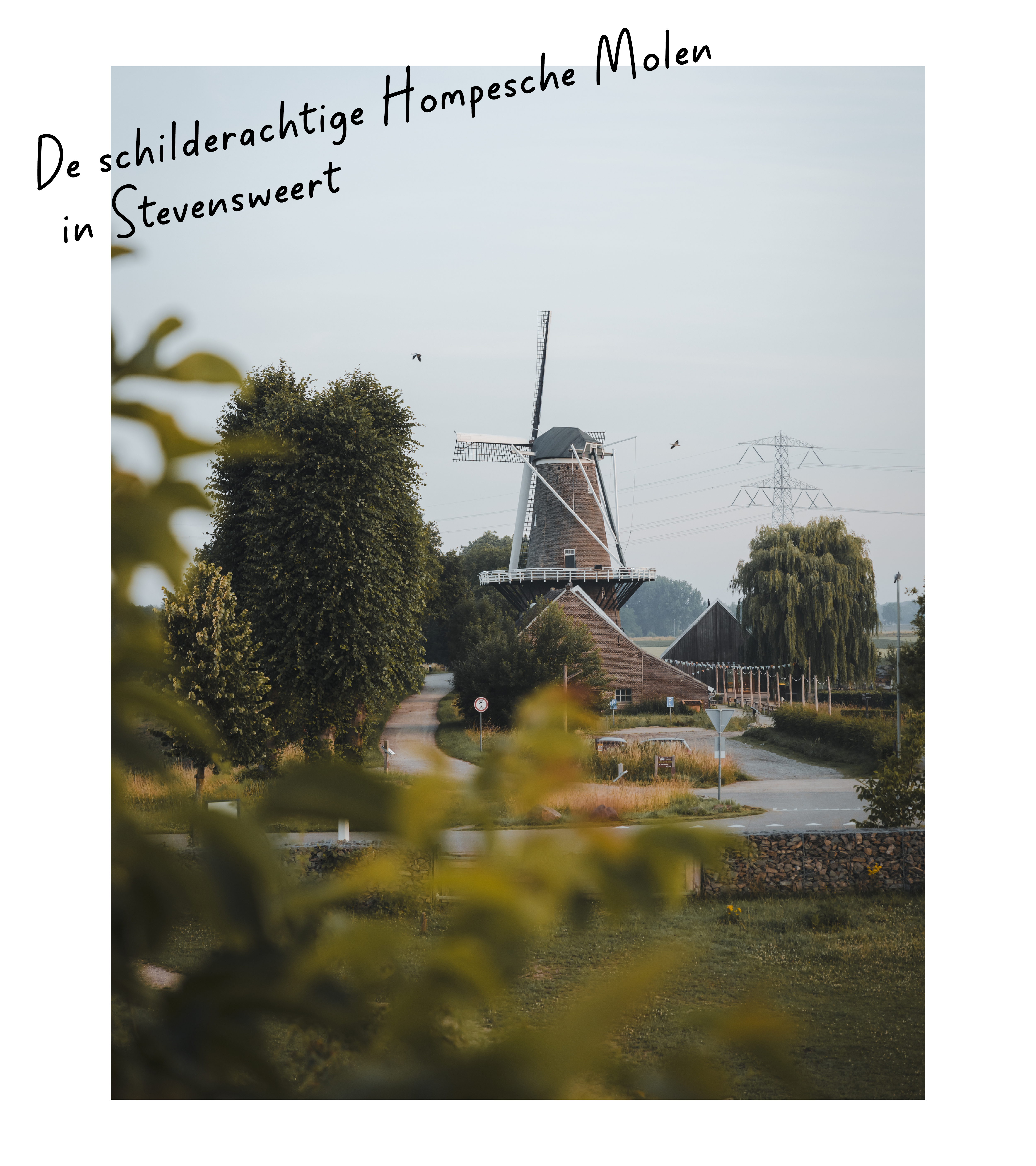
There is something special about early mornings at the Molenplas. While the rest of the world is still asleep, you witness something remarkable here: nature slowly waking up. I park my car near the Hompesche Molen, an impressive national monument dating back to 1722. With a height of 37 metres up to the tip of the sails, it is the tallest gallery windmill in Limburg. This imposing landmark is easy to recognise and a beautiful starting point for my walk.
Six kilometres past the most beautiful spots
The route of around six kilometres is anything but boring. You walk through grasslands, along reed beds and over gravel paths while constantly looking out over the water. The Molenplas was created through gravel extraction and later developed into a remarkable nature area full of variety. Plants you rarely see elsewhere and birds you usually only recognise from nature photographs are simply here, if you take the time to look.
Balancing on stepping stones
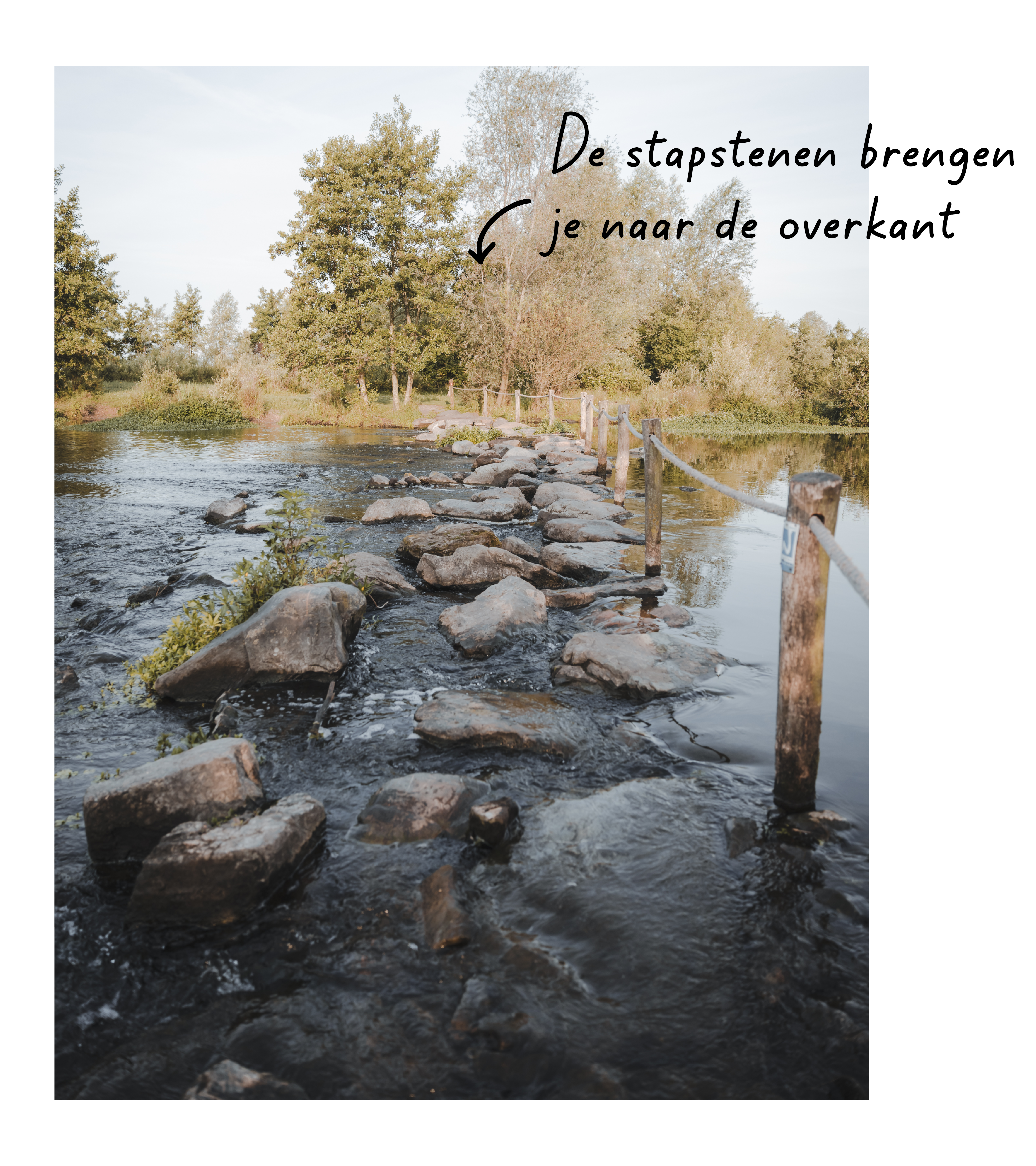
One of the highlights of the walk is undoubtedly the crossing via large stepping stones in the water. It is not only a fun challenge but also offers a unique perspective of the Molenplas. Standing in the middle of the water, you experience the silence of this protected nature area from a completely different angle.
Birdwatching
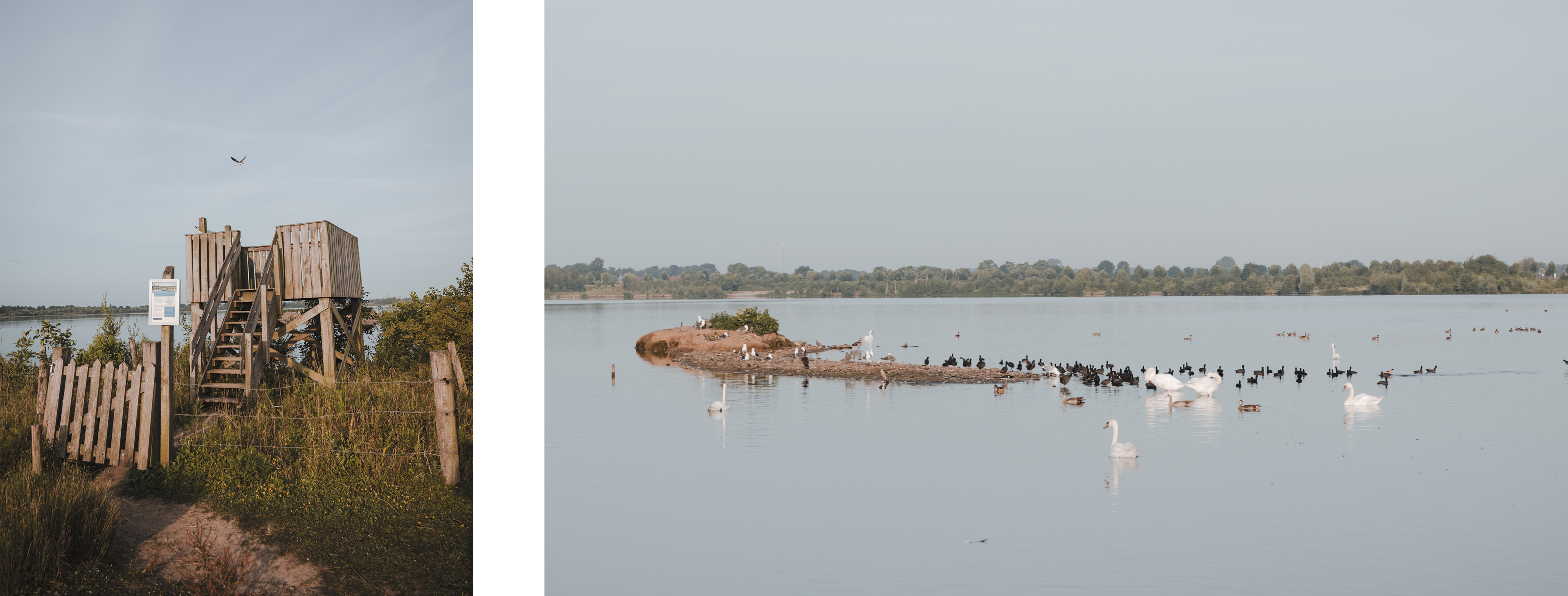
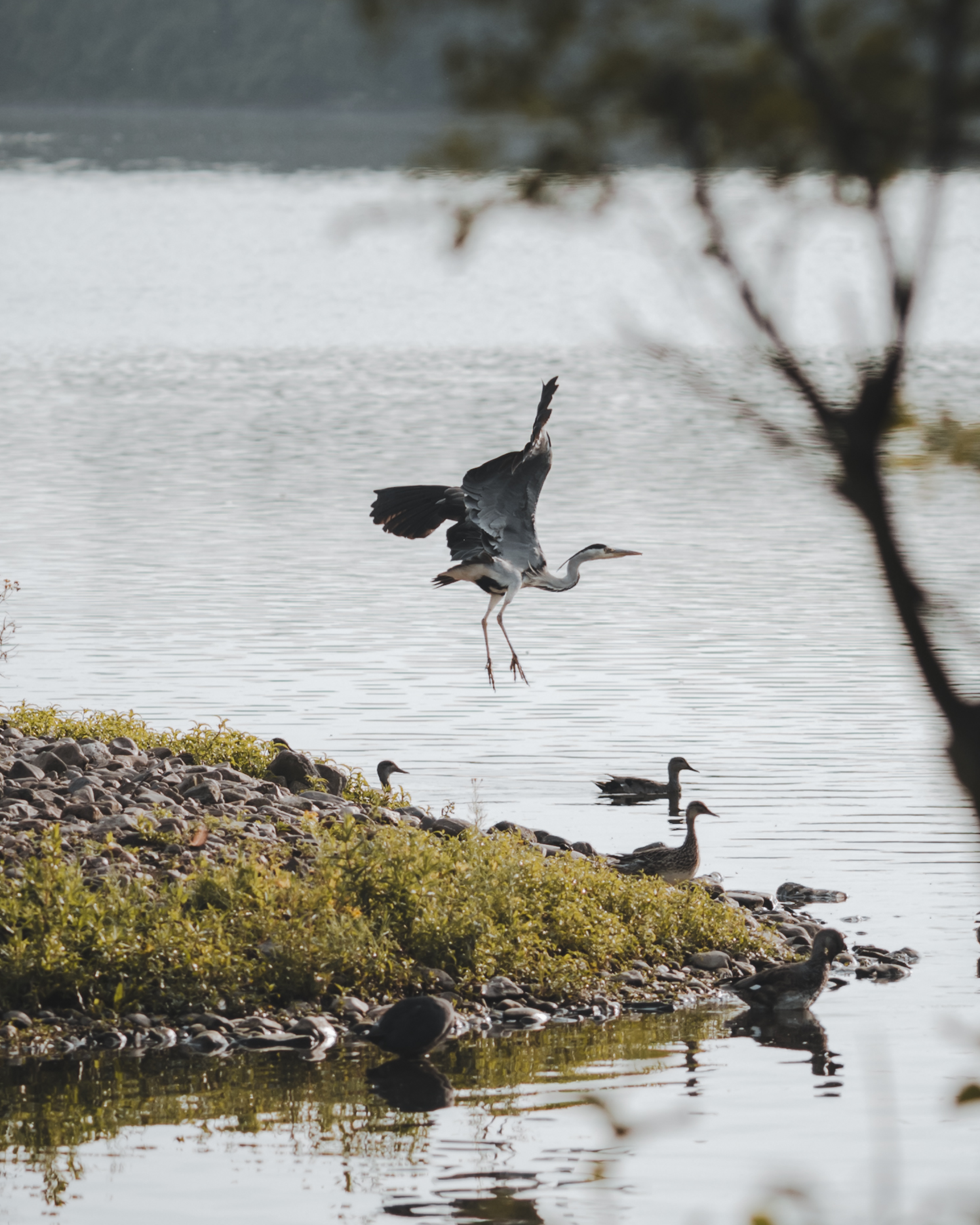
The observation tower near the Molenplas is the perfect place for bird lovers. From the elevated platform you have a clear view over the water and a small gravel island opposite – a true bird paradise. This island is a favourite resting and breeding spot for many bird species. On a single morning you can sometimes spot dozens of species here. So don’t forget your binoculars.
Among 2,000-year-old oaks
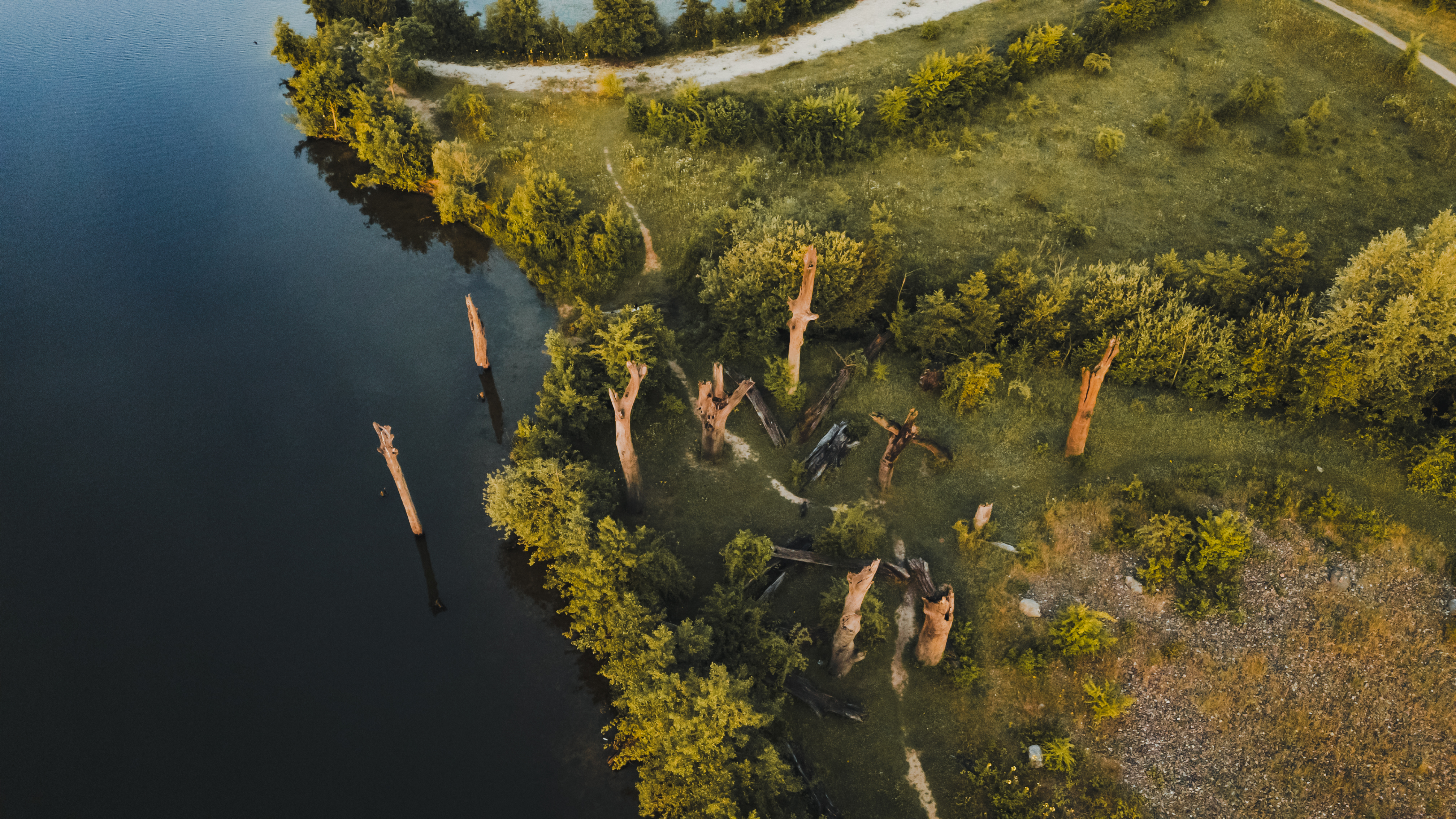
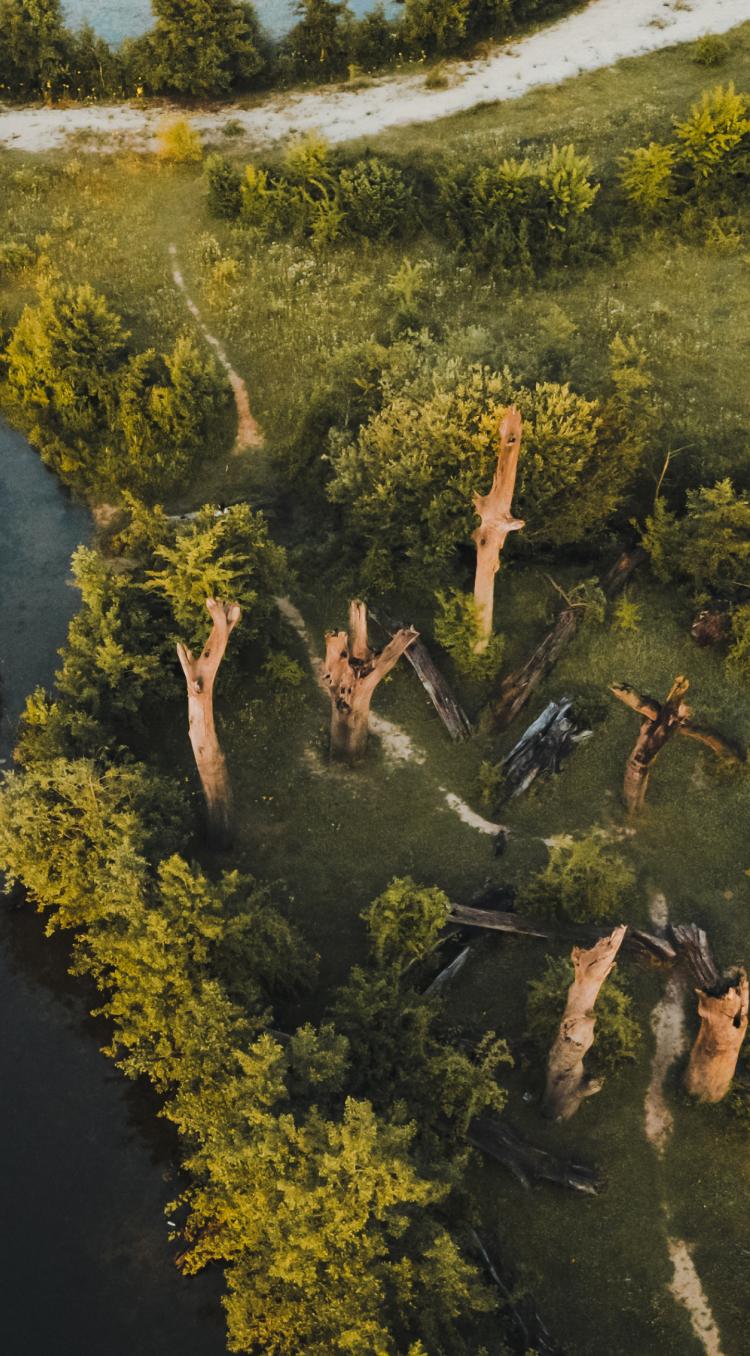
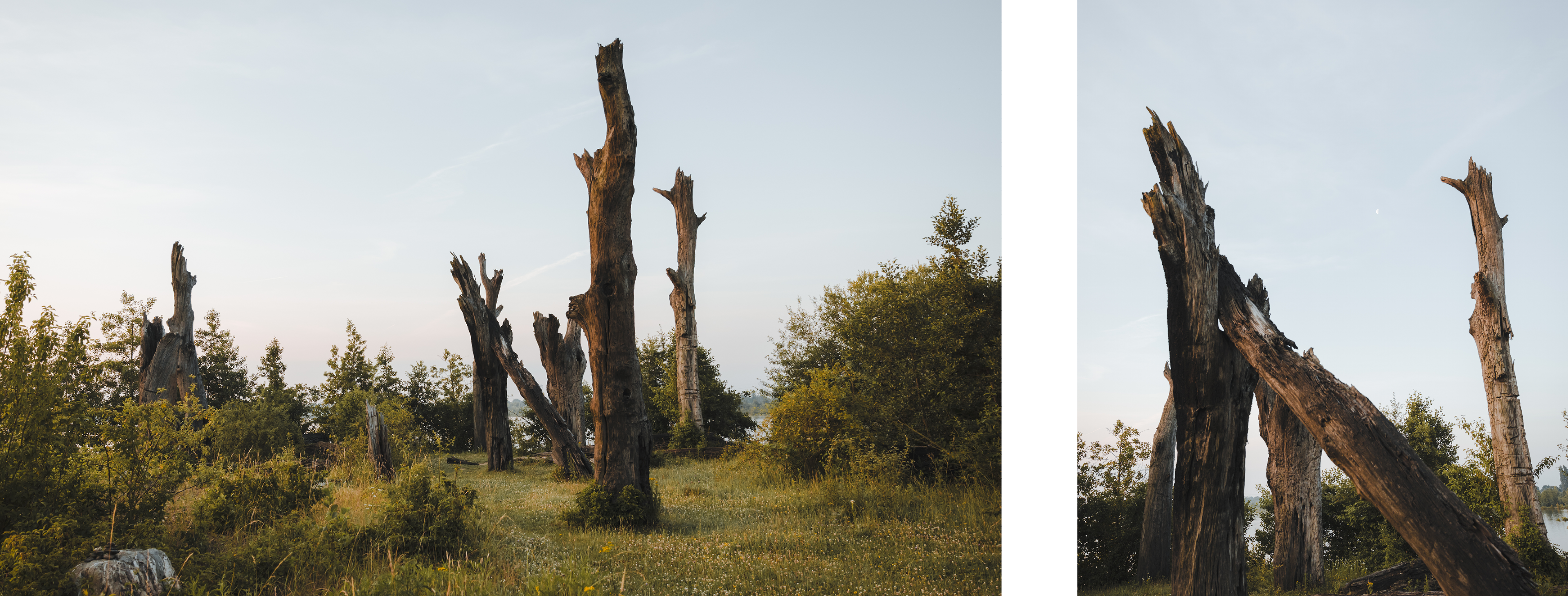
Amid all the greenery and water lies a place that immediately catches the eye: the Tree Monument. Large black tree trunks rise straight up from the ground. These oaks are between 1,500 and 2,000 years old and were discovered during gravel extraction. Because they were deprived of oxygen, they never decayed. Instead, they remained almost completely preserved. Walking among these ancient trees is quite special.
Wild grazers in action
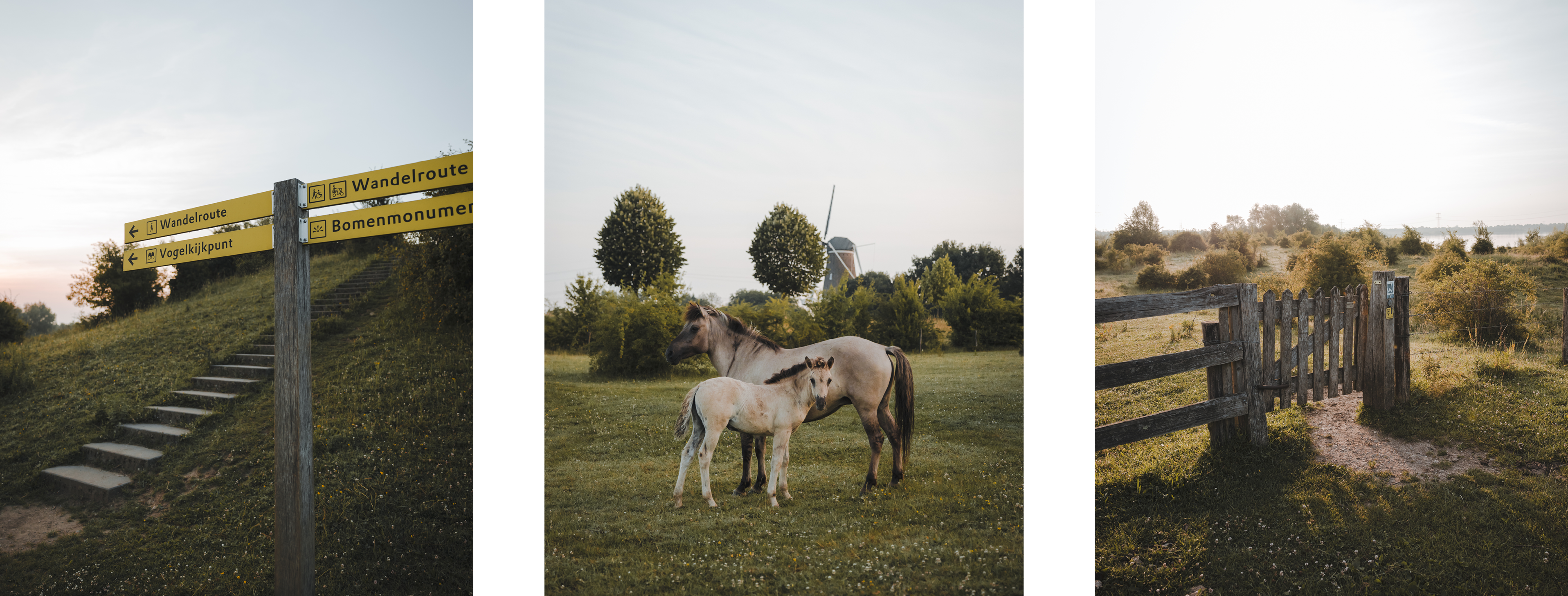
If you keep your eyes open during the walk, you will surely encounter them: the Galloway cattle and Konik horses that roam freely here. They are an essential part of the landscape. By grazing, they keep the area open and create natural variation in the vegetation – exactly as intended.
The black Galloway cattle are robust and stand out in the shrubs. They have thick, fluffy coats but no horns. Even though they may look cute, it is important to keep a safe distance.
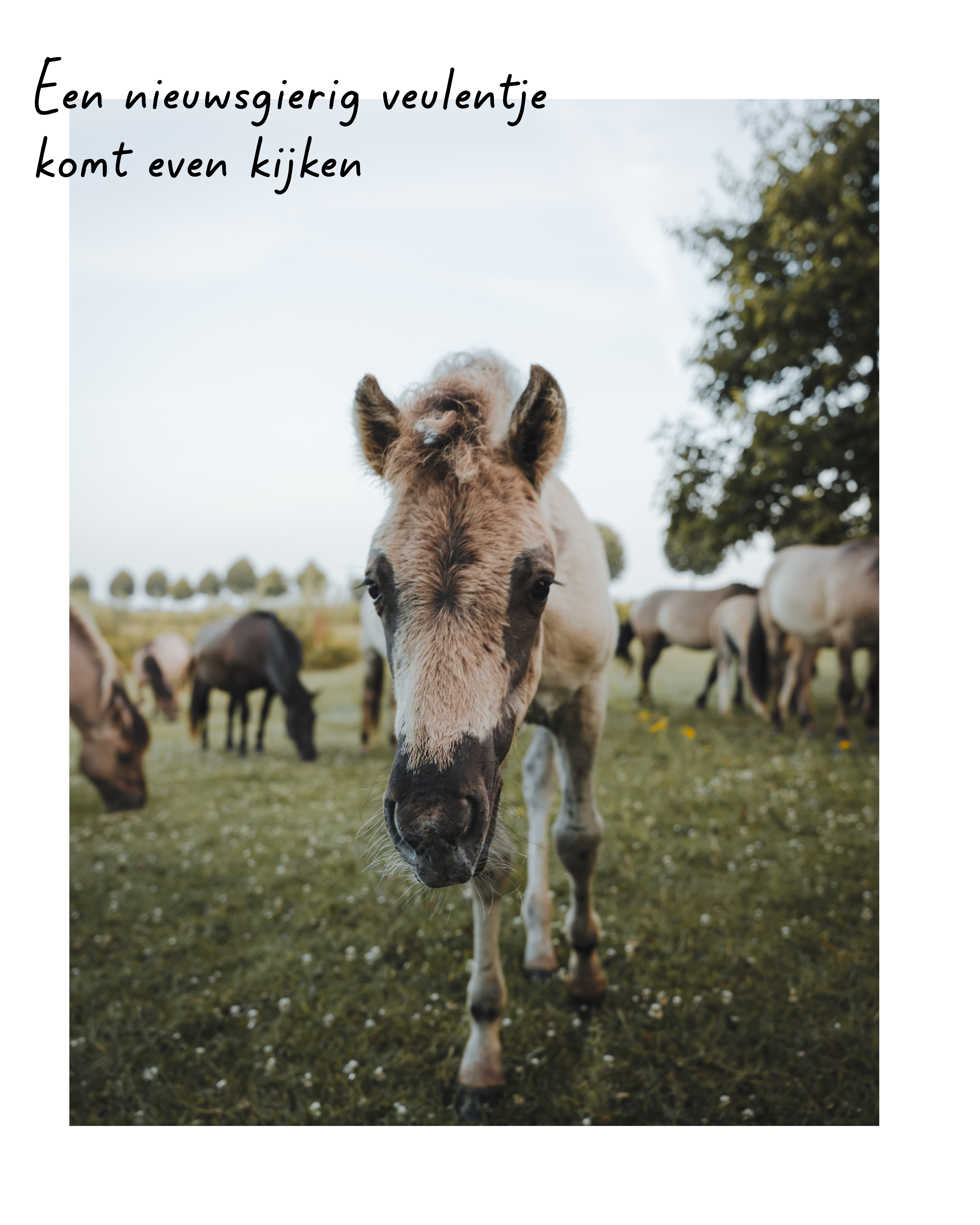
The Konik horses are just as remarkable. They may appear compact, but they are incredibly strong and well adapted to life in the wild. They require little care and graze year-round in herds around the lake. In spring you may sometimes see young foals playing close to their mothers. Small, sturdy and curious – a beautiful sight for anyone observing them quietly from a distance.
A morning that stays with you
The walk around the Molenplas is far from an ordinary nature walk. It is a varied route, from stepping stones across the water to a tree monument with thousands of years of history. You look out over bird islands, may spot a foal among the Konik horses or see a Galloway grazing quietly in the distance. And all of this happens in the early morning, when the area is at its most beautiful: quiet, fresh and full of life. Whether you come for the birds, the landscape or simply a good start to your day, this walk leaves a lasting impression.